Softwashing vs. Pressure Washing: Why Your Siding Deserves Better
Contact Us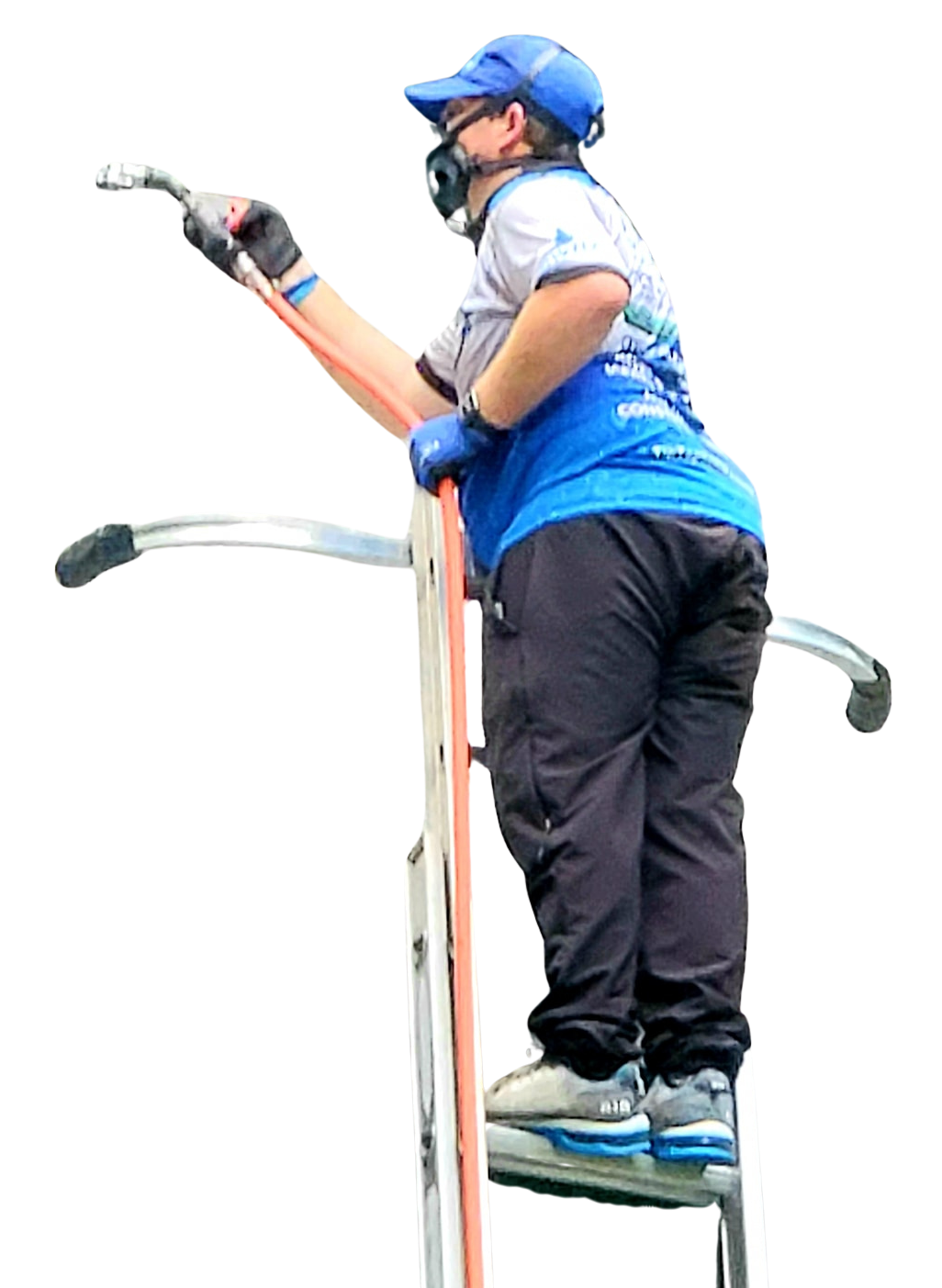
Softwashing vs. Pressure Washing: Why Your Siding Deserves Better Than High Pressure
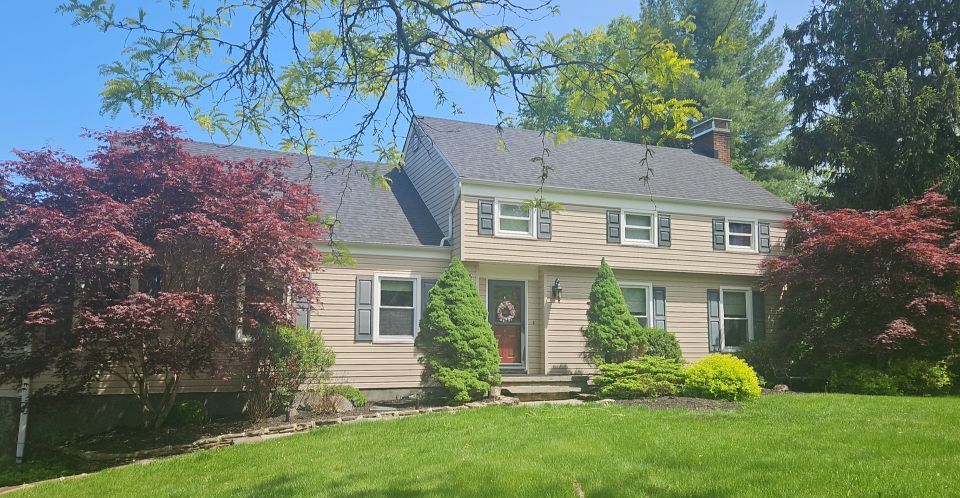
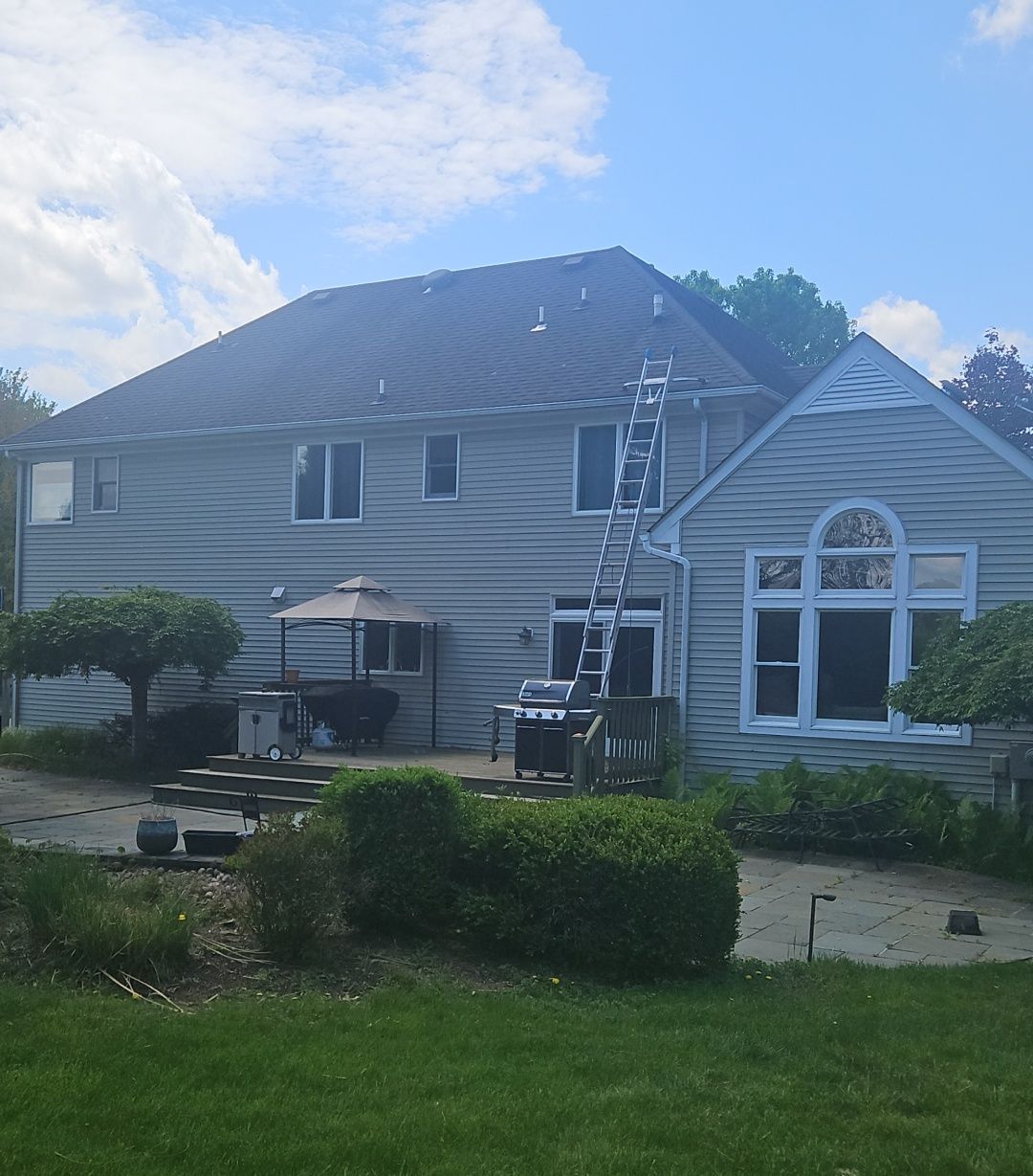
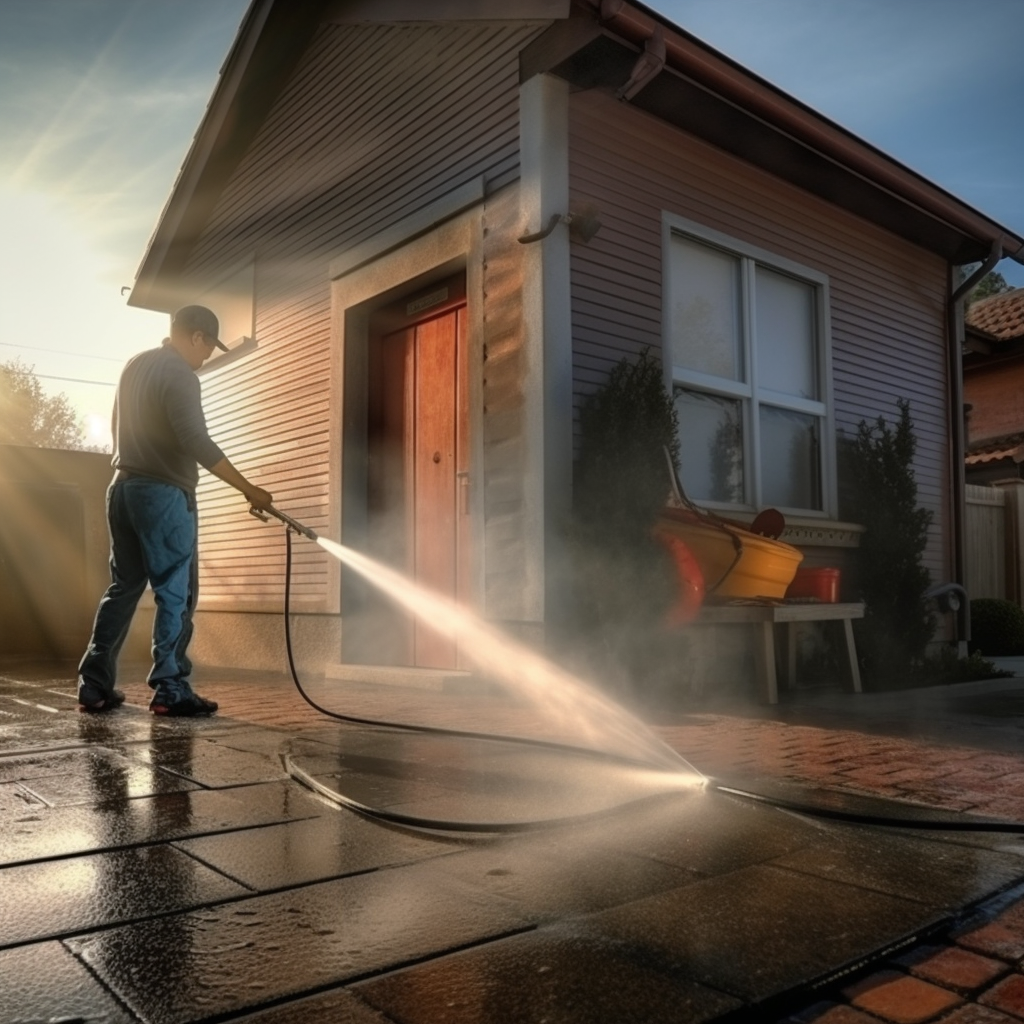
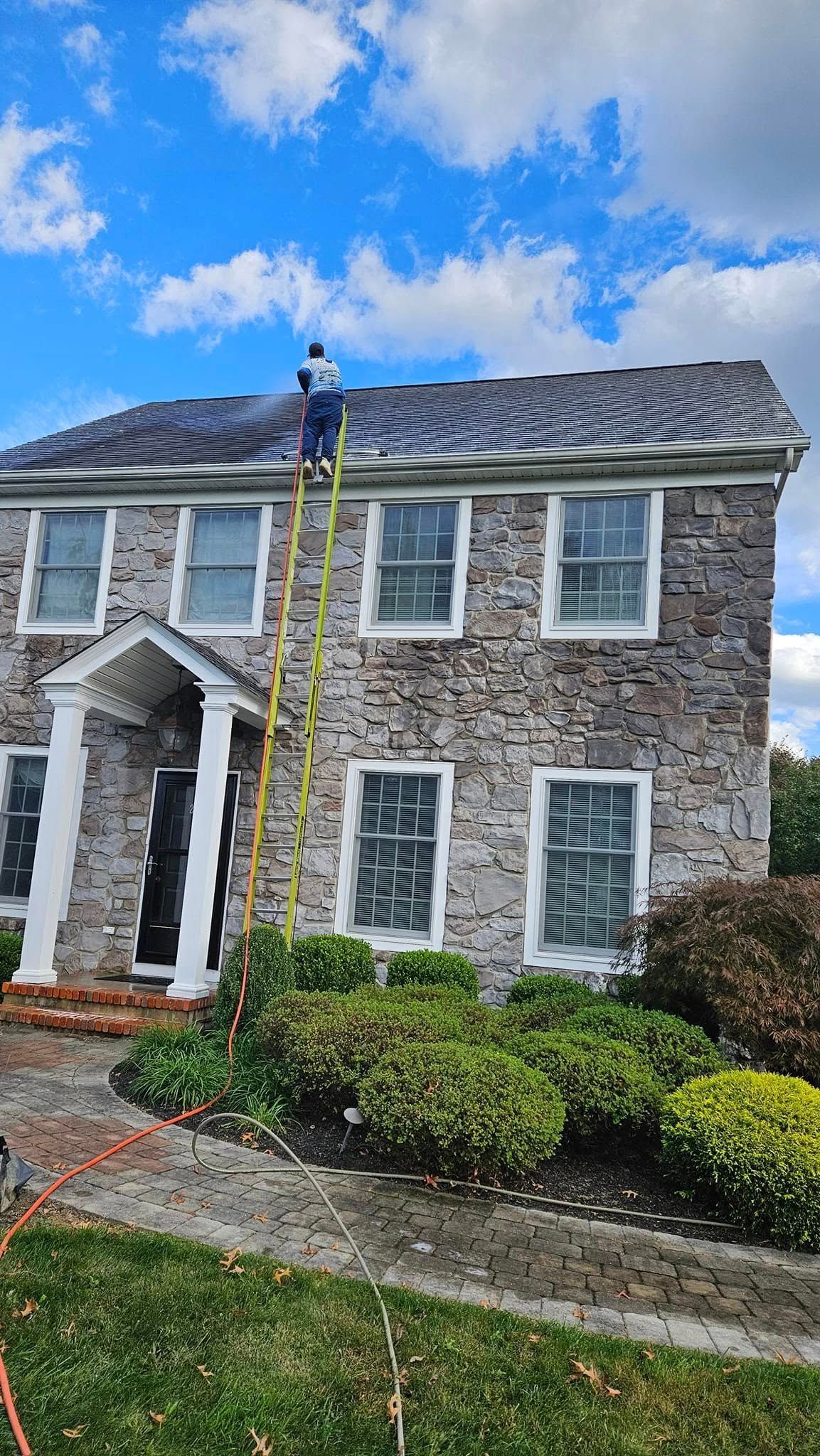
Walk through any neighborhood in Yorkville or Naperville on a Saturday morning and you'll eventually spot a homeowner on a ladder with a rented pressure washer aimed directly at their siding. It looks productive. It feels effective. And for certain surfaces — bare concrete, for example — it is. But for siding? It's one of the most common and costly mistakes homeowners make when trying to maintain their home's exterior.
Here's why softwashing is the professional standard, and why it produces results that pressure washing simply can't match.
Pressure Washing Cleans the Surface. Softwashing Treats the Cause.
The green film, dark streaking, and gray haze on your siding isn't dirt. It's biological — algae, mildew, mold, and bacteria that have established on the surface and are actively feeding on it. Pressure washing at 2,000–4,000 PSI knocks the visible discoloration off the panel, but it doesn't kill the organism beneath. Within four to six weeks, the growth returns — often faster than before because the surface has been disturbed and moisture has been driven deeper into the material.
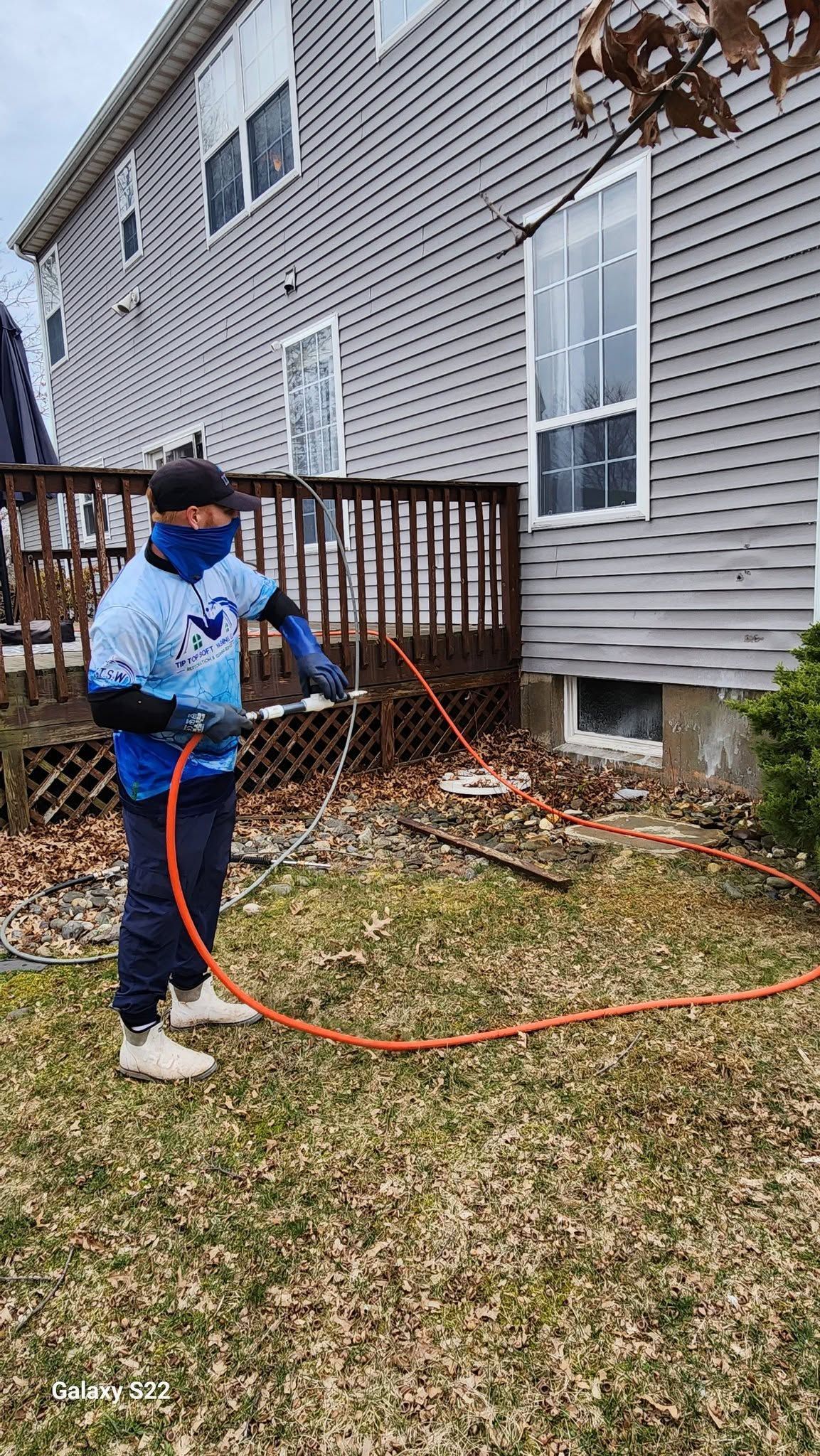
Softwashing applies a biodegradable, EPA-compliant cleaning solution at low pressure — under 500 PSI — that penetrates the biological growth and kills it at the root. The organism dies. The stain lifts. And a residual protective layer is left behind that significantly slows regrowth for 12 to 24 months. That's not just cleaning — that's treatment.
High Pressure Damages Siding. Low Pressure Protects It.
Vinyl, fiber cement, cedar, and painted wood siding are not designed to withstand the force of a standard pressure washer. At high PSI, water is forced behind panels and trim — creating the ideal conditions for rot, mold growth inside the wall cavity, and paint failure that you won't see for months. On fiber cement like Hardie board, high pressure etches the surface and accelerates paint erosion. On wood, it raises the grain and strips protective coatings.
Softwashing eliminates all of these risks. The chemistry does the work at low, safe pressure — cleaning thoroughly without any mechanical force that compromises the material or the seal between panels.
The Results Last Significantly Longer
This is the practical bottom line for homeowners: pressure washing results typically last four to eight weeks before biological growth visibly returns. A professional softwash treatment lasts 12 to 24 months. The math on that is straightforward — one softwash service delivers the same visual result as multiple pressure washing sessions, without any of the surface damage risk.
The Bottom Line
If you're maintaining your home's siding, pressure washing isn't the right tool for the job. It's a surface-level fix that leaves the root cause intact, risks material damage, and needs to be repeated far too often to be cost-effective.
Softwashing is how professionals clean siding — and it's what SoftWash Authority delivers on every job across Yorkville, Naperville, and Kendall County.
Call or text 331-234-0407 for a free quote, or visit www.softwashauthority.com to book online.